This post was originally from February 27, 2026
On Sunday I felt like a REAL South African local as I was the one waiting at the airport to pick someone up (obviously with Liza)! Before joining us in Kenya, Kris decided to come to Cape Town first to spend a few days with us and then she will be doing a tour in Namibia. We really only had one full day to play tour guide so we hit the town hard!
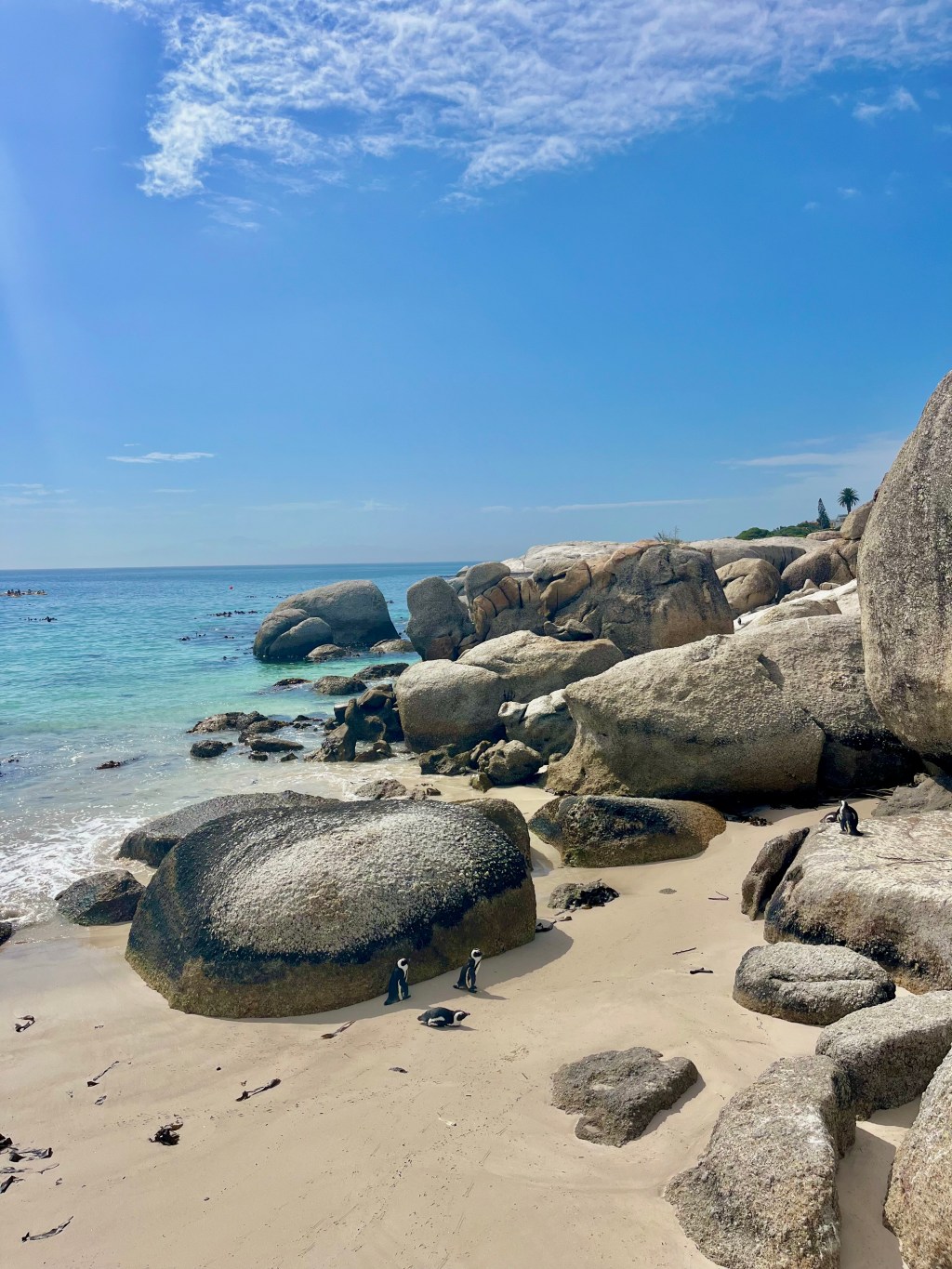
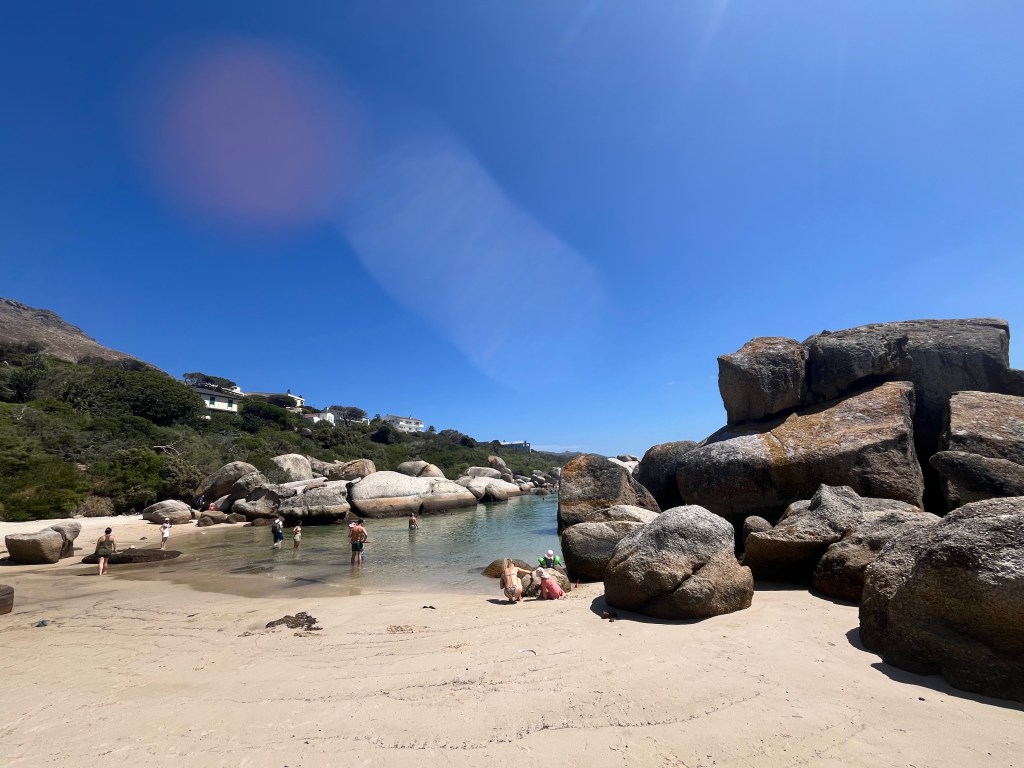
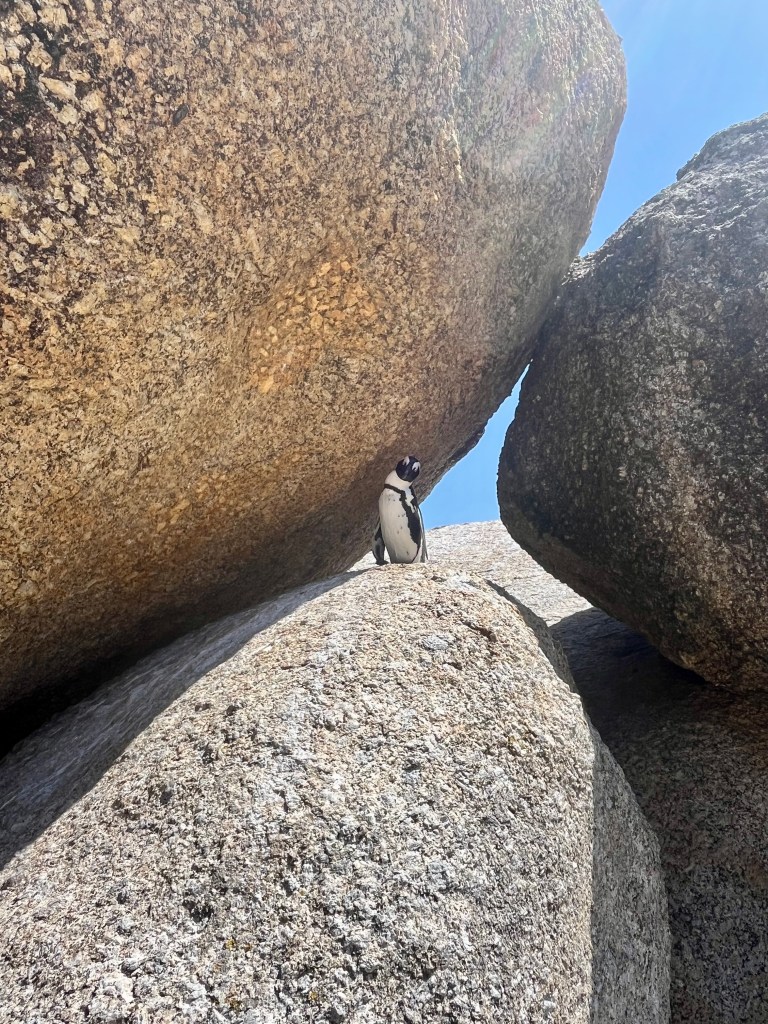
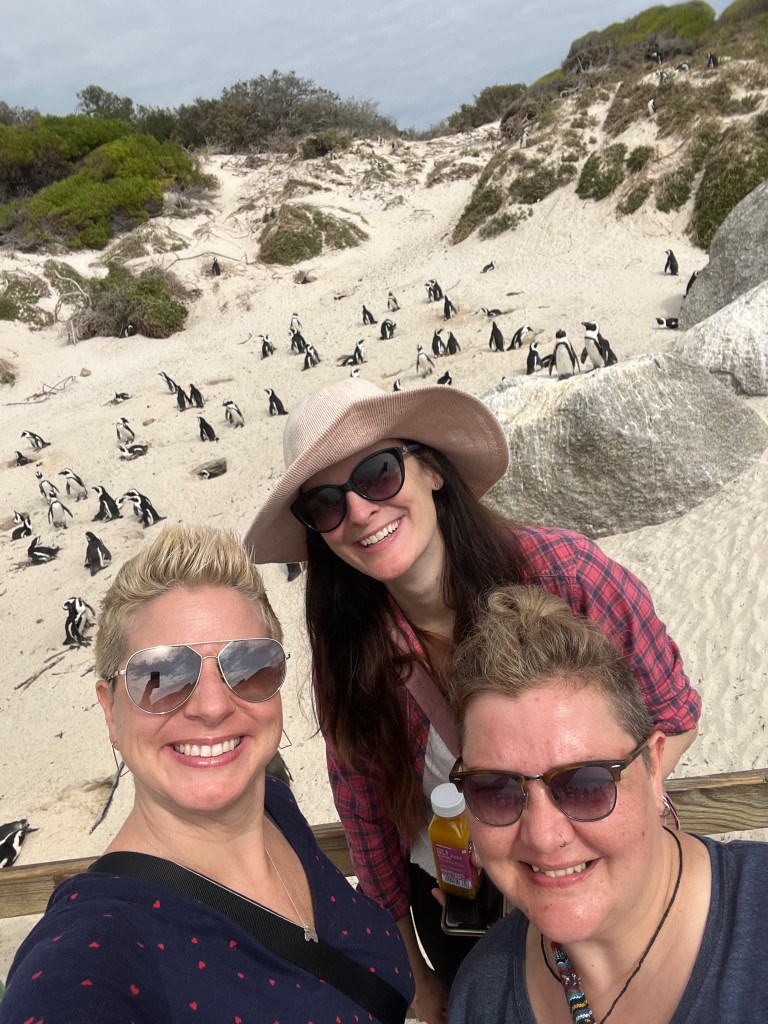
Monday morning bright and early we made our way to Simonstown where we could see the African Penguins on Boulders Beach. In the early 80’s just a few penguins chose Cape Town’s prime real estate and settled on the white sand between large granite boulders that protect them from wind and large waves. Currently the population is estimated between 2,000 and 3,000 birds but sadly the African Penguin has been classified as an endangered species, due to things like over-fishing, habitat destruction, pollution, and irresponsible tourism.
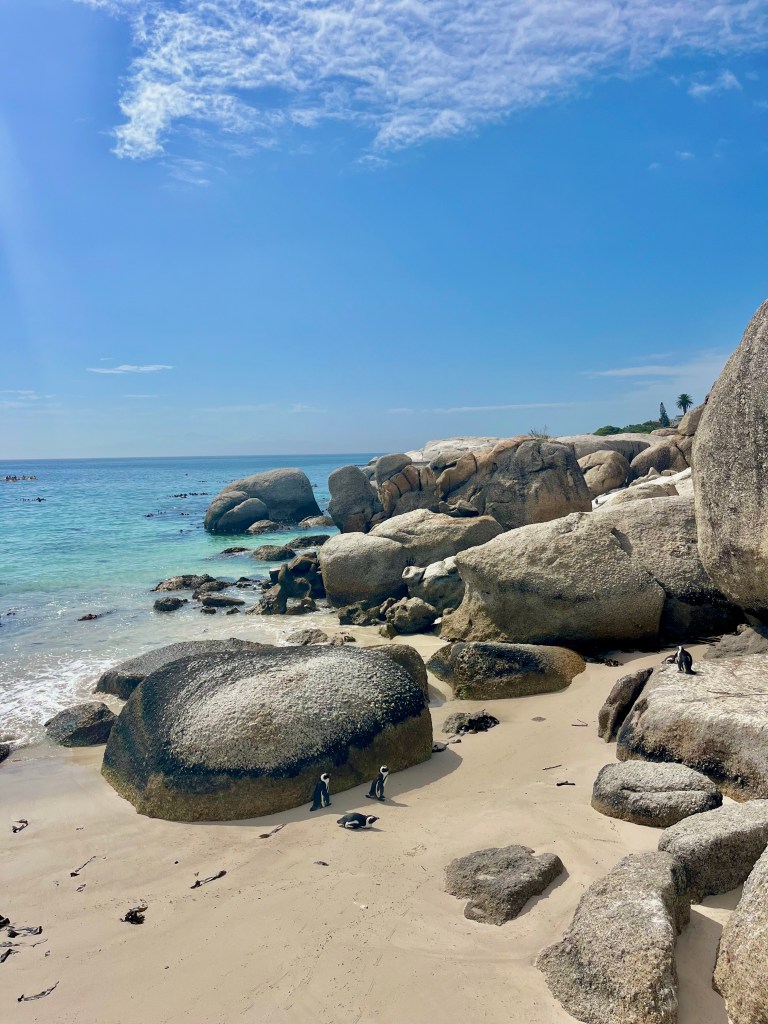
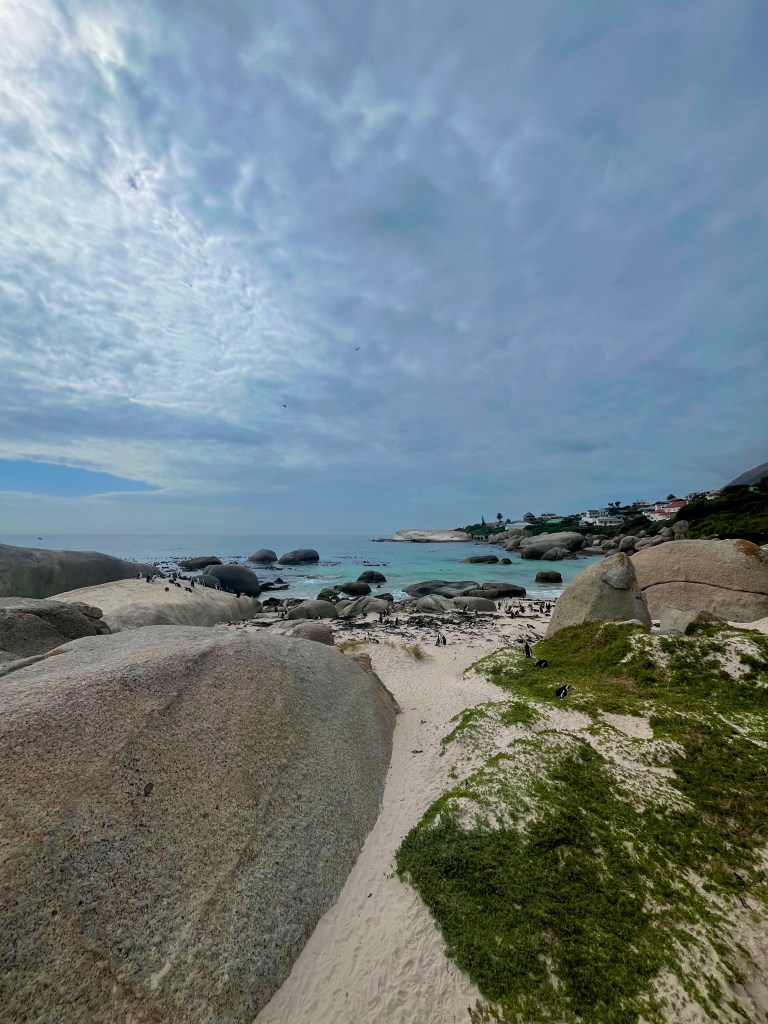
Thankfully, Boulders Beach and its surrounding beaches now form part of the Table Mountain National Park Marine Protected Area, thus ensuring the beaches are safe and clean, and of course protecting the penguins. It’s so cute to see the penguins mostly in pairs (as they mate for life) and then the fluffy, weird looking babies waddling around, kicking sand and swimming in the ocean. I could sit there and watch them for hours.
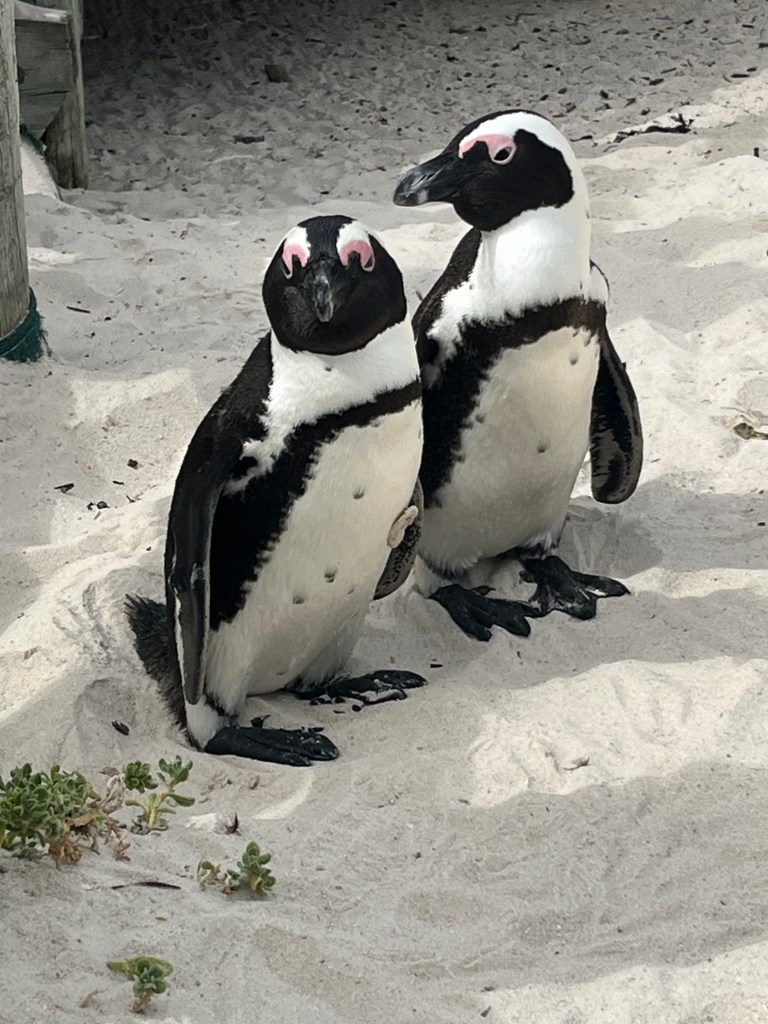
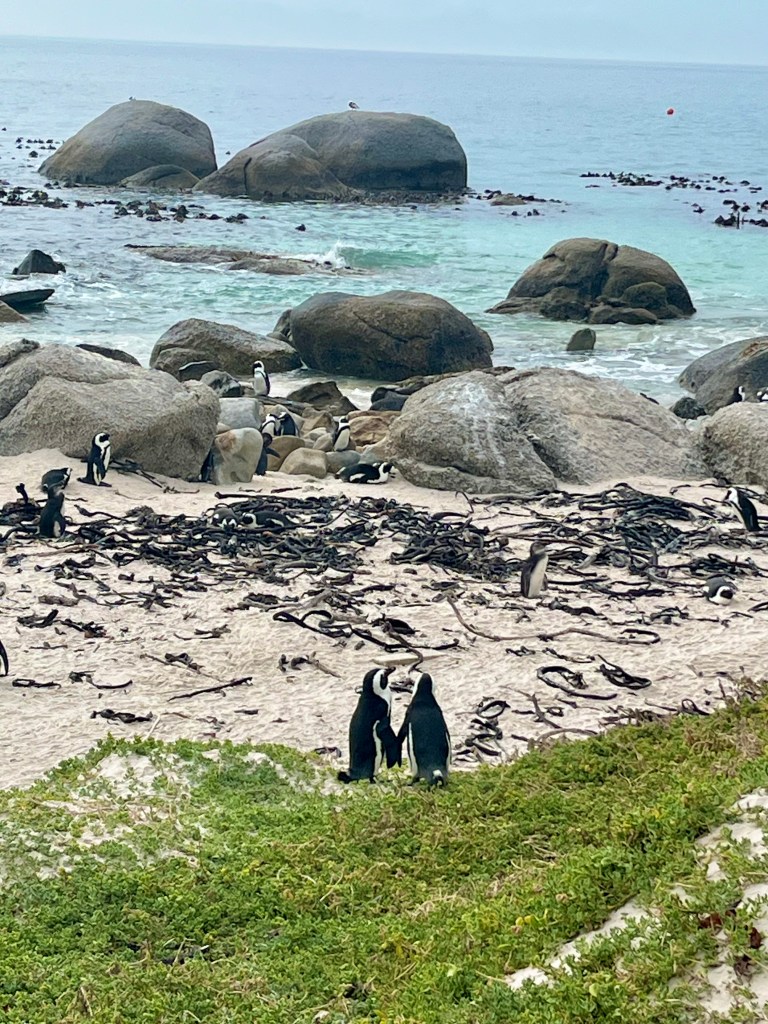
If you are into documentaries you should check out Penguin Town on Netflix. It’s a series that follow some of the penguins right here in Boulders Beach.
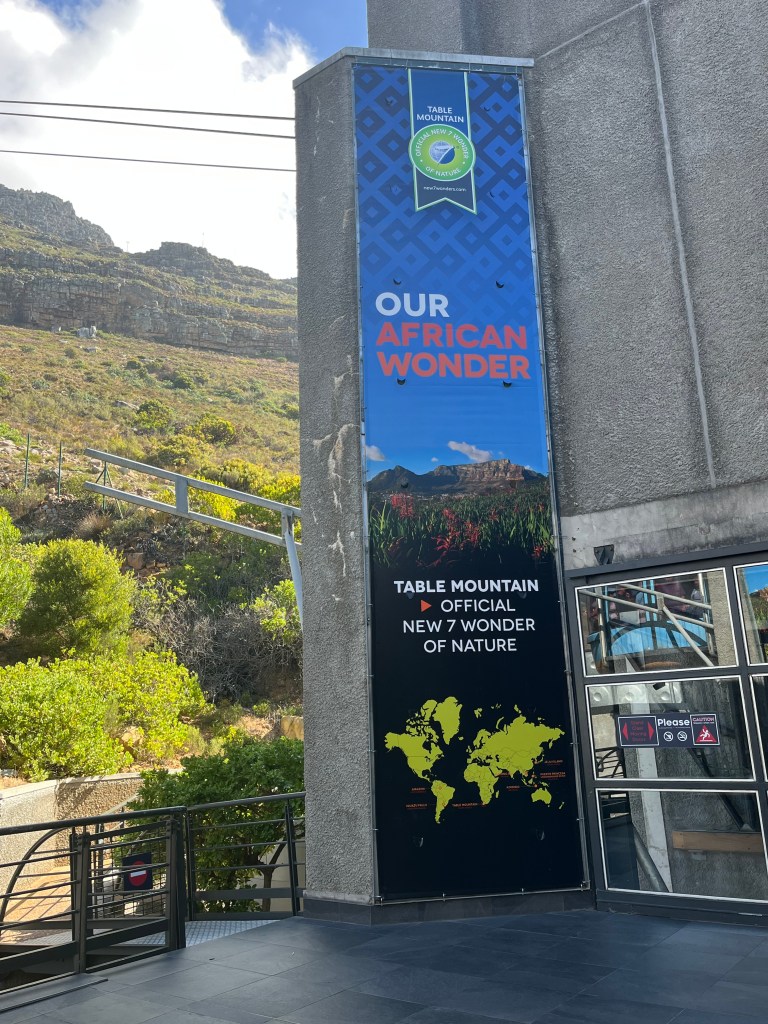
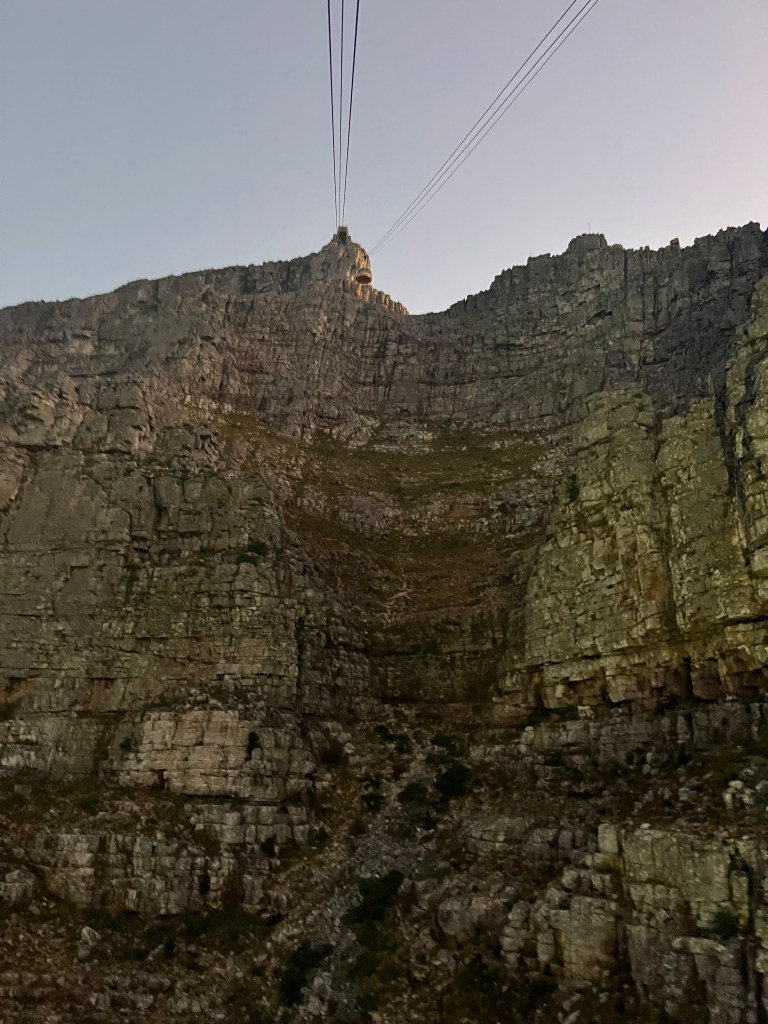
From there we took the scenic route to our lunch time stop at Kalk Bay and then made our way to Table Mountain. Table Mountain is a Natural World Heritage Site and one of the Natural New 7 Wonders of the World. Table Mountain National Park stretches 70km from Signal Hill and Table Mountain in the north, to Cape Point in the south and includes a Marine Protected Area and many of the beaches around the Peninsula. It’s also a part of the Cape Floral Kingdom which has thousands of crazy unique plants and trees, many of which are found nowhere else in the world.
To get there we took a cable car up. It’s funny because the cable car holds about 50 people and is surrounded by 360 windows to see the view. Everyone that got on rushed to the one side of the car to get the best view. Little did they know that once the car starts going it actually spins giving everyone a chance to see the 360 views while going up. We just snickered to ourselves and said ‘suckers!’ when the car started to spin.
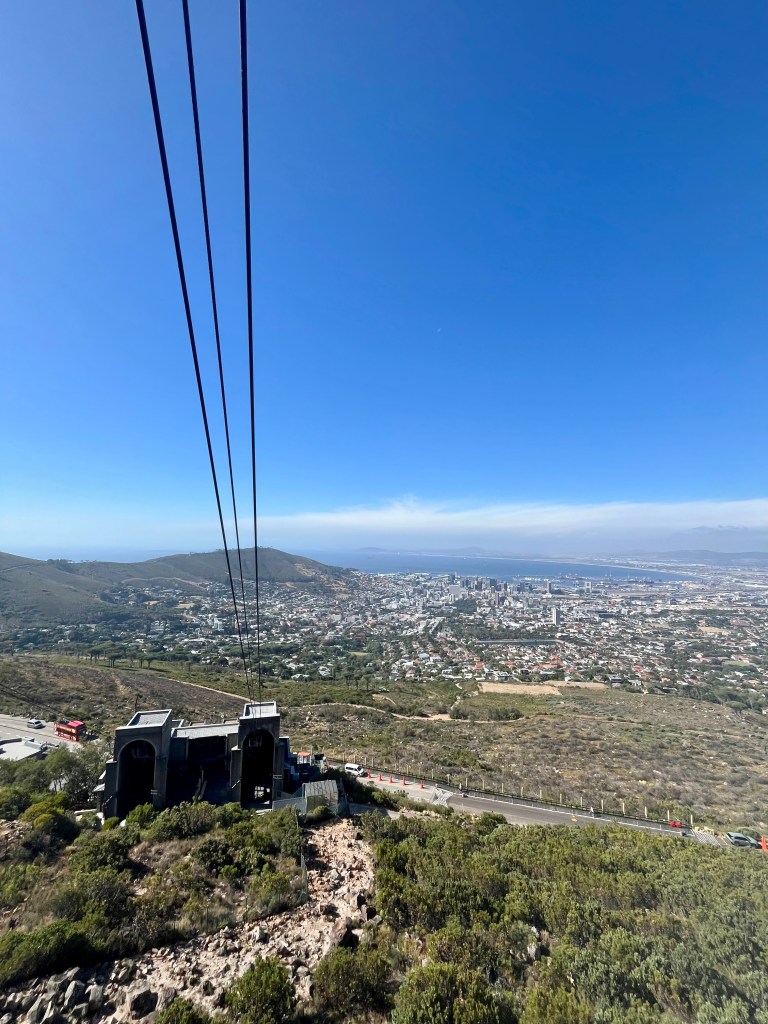
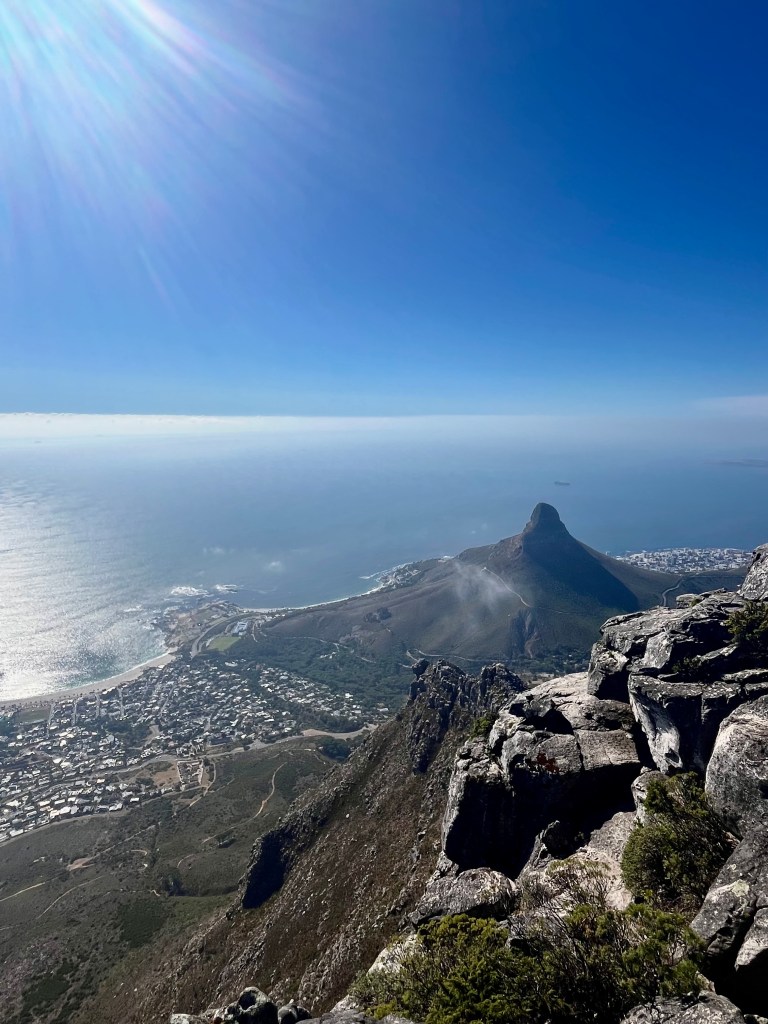
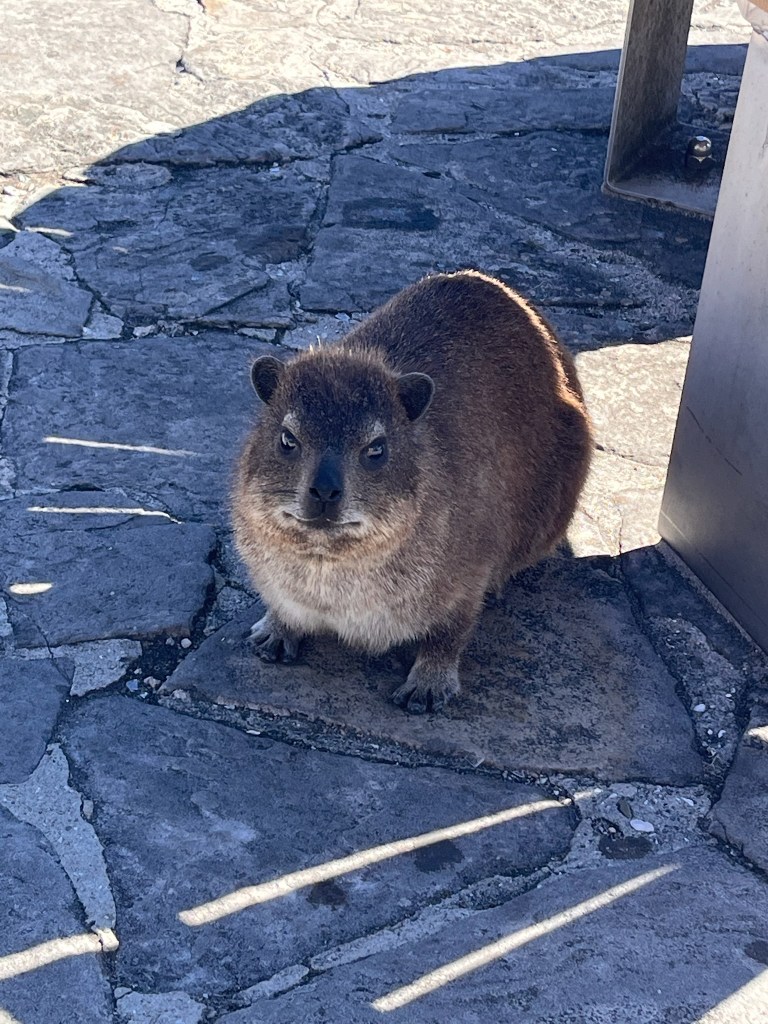
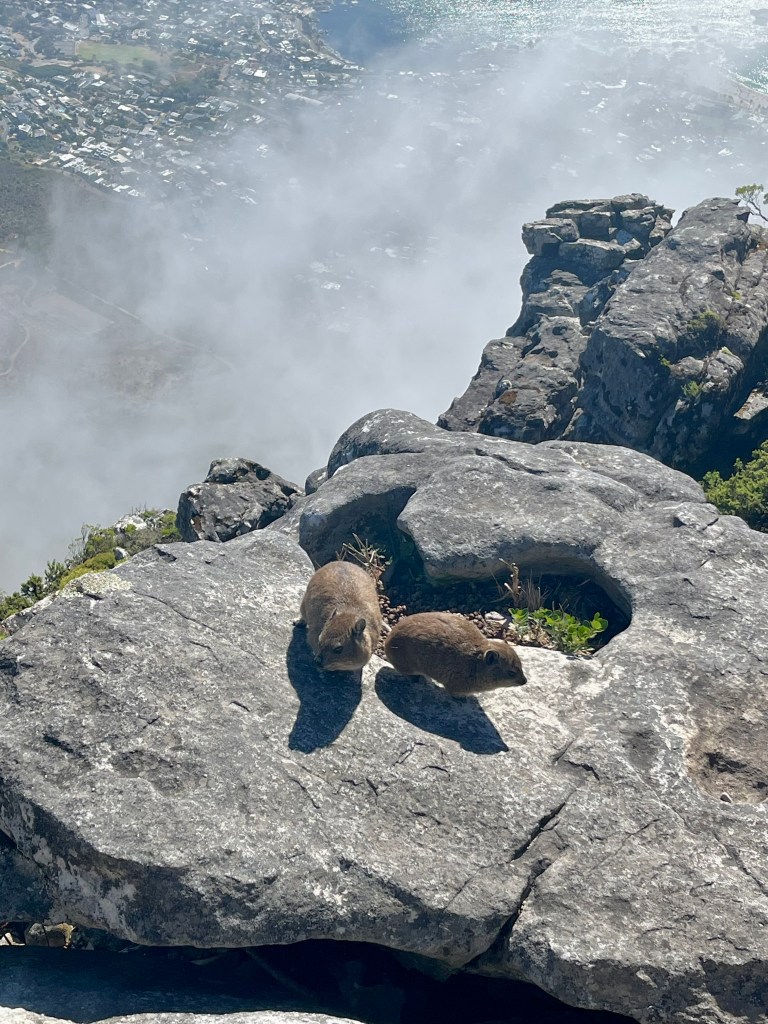
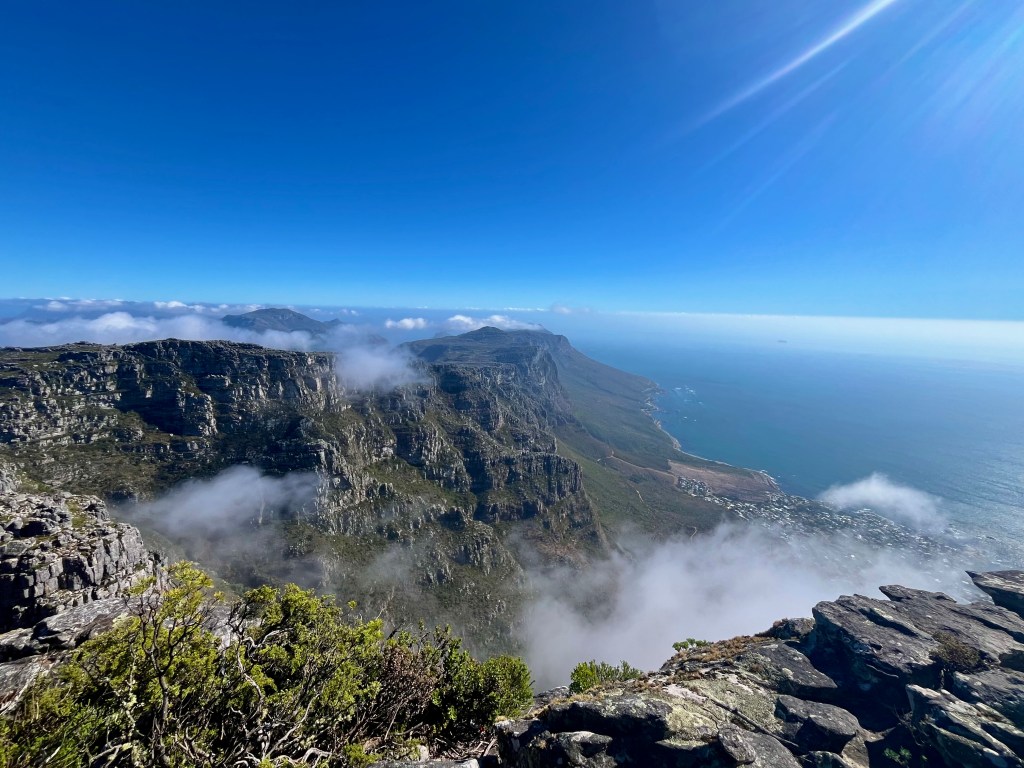
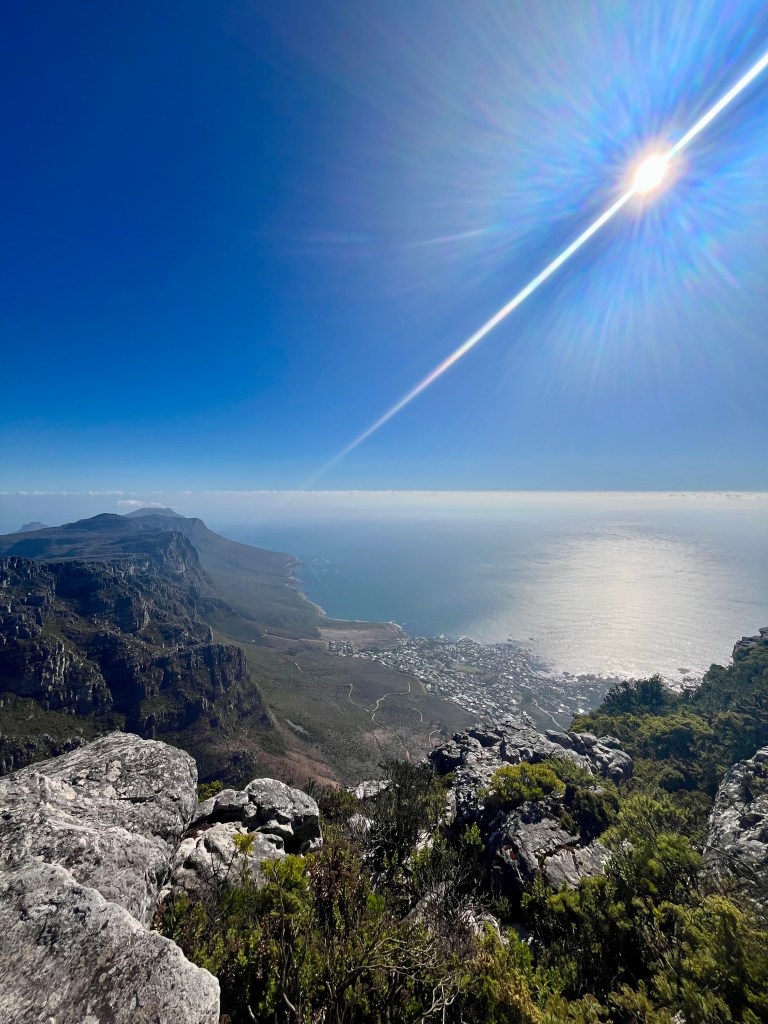
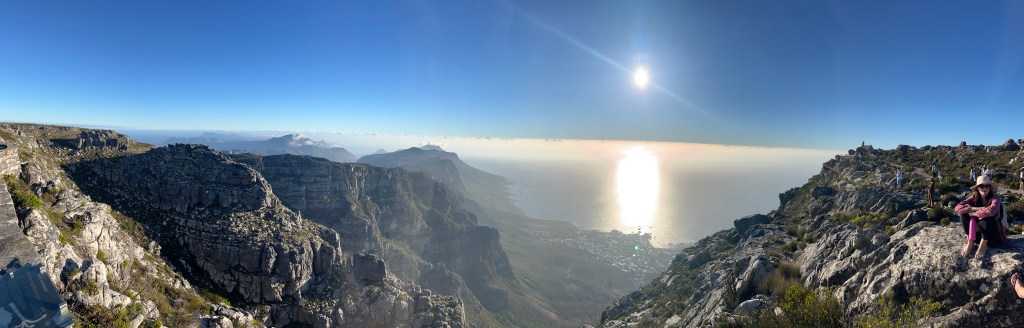
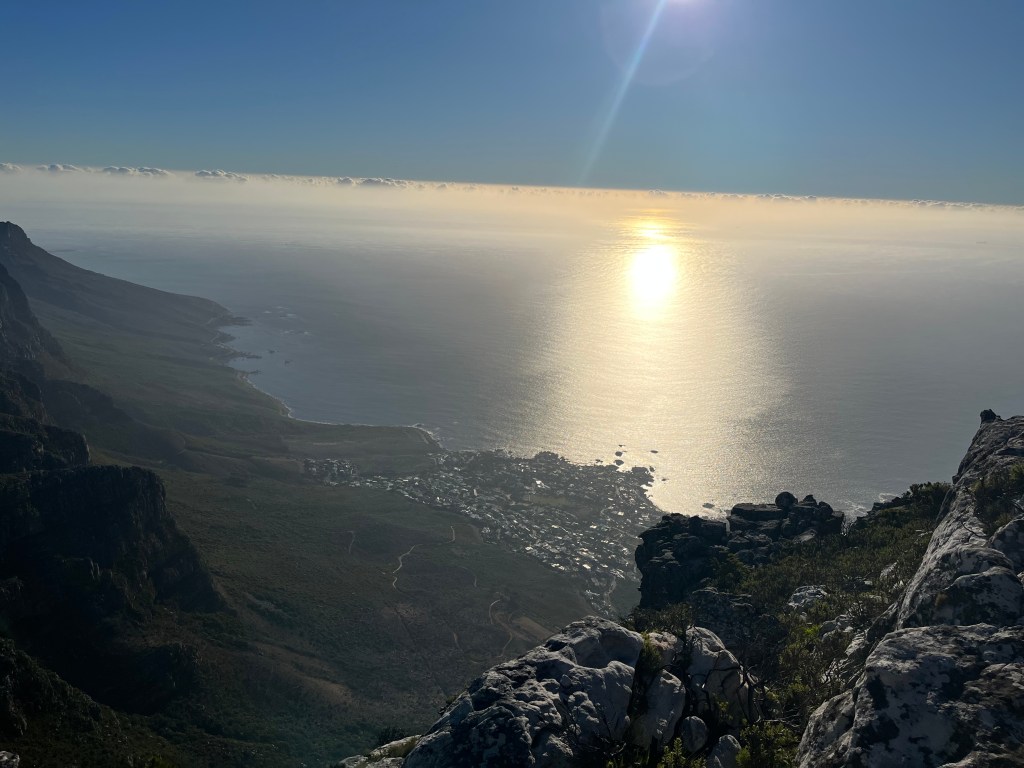
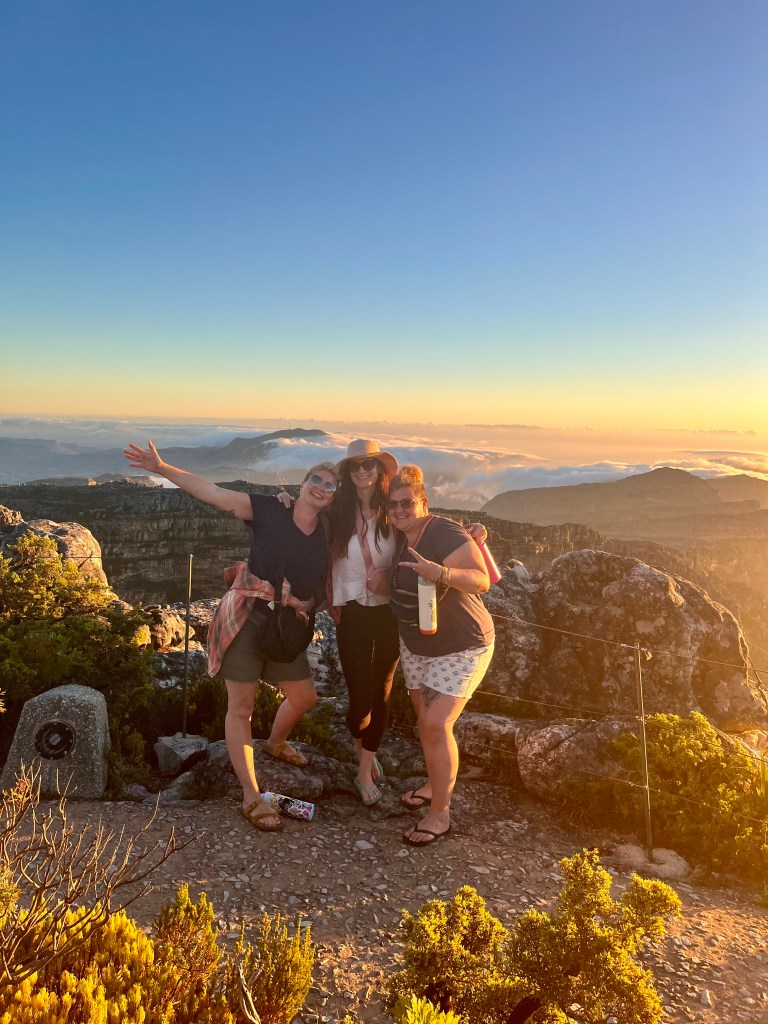
The view from the top is incredible. You can see the entire city below and what makes it even more magical is when the clouds start to roll in, as now it feels like you are floating high above the clouds! While we waited for the sun to set we were also entertained by the hilarious and cute rock hyrax (also known as the dassie). Fun fact – the rock hyrax is considered the closest living land relative to the African elephant! Both species share unique anatomical similarities, including teeth, skull structure, and hooved, nail-like toes. You wouldn’t guess by looking at them, that’s for sure!
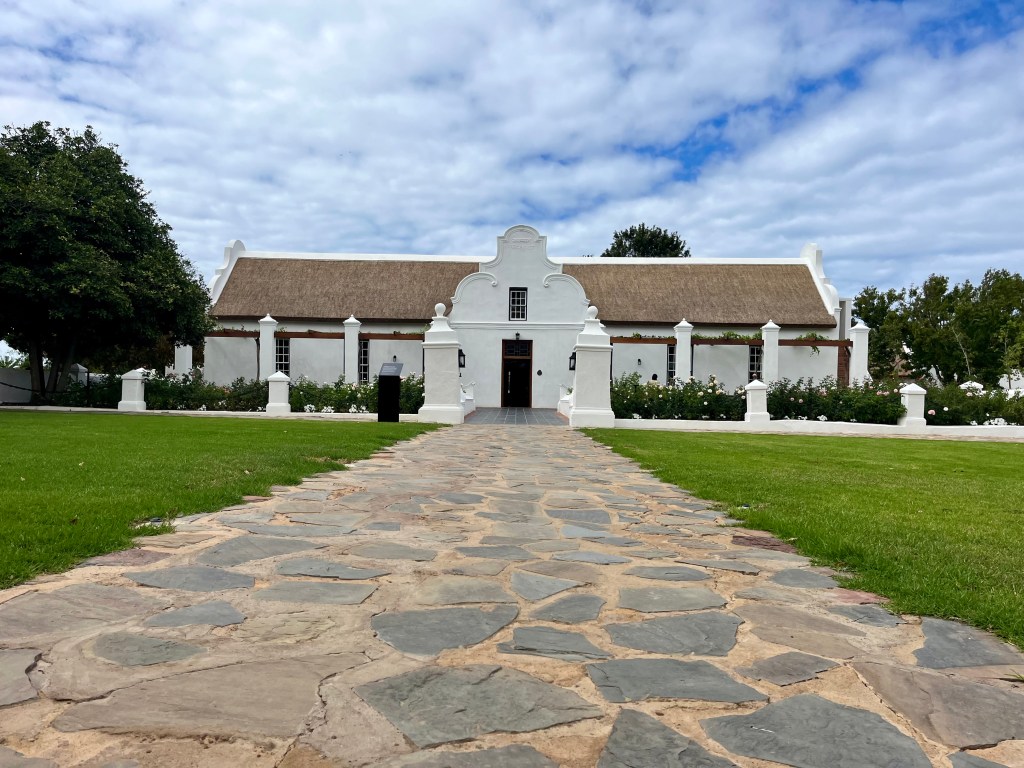
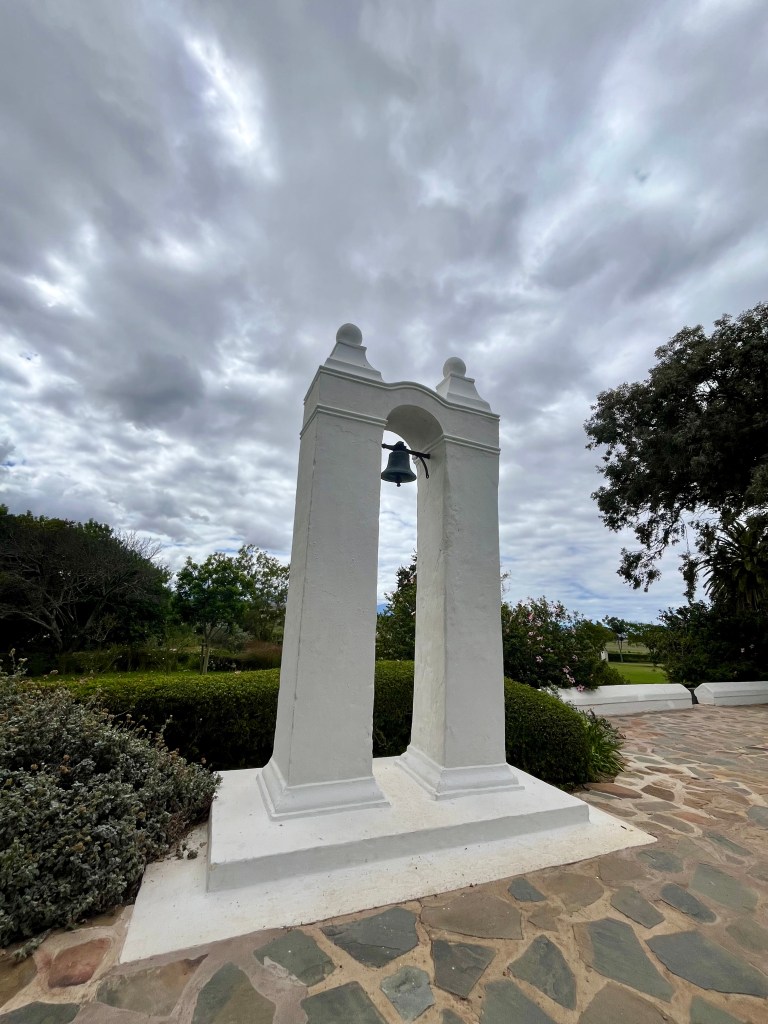
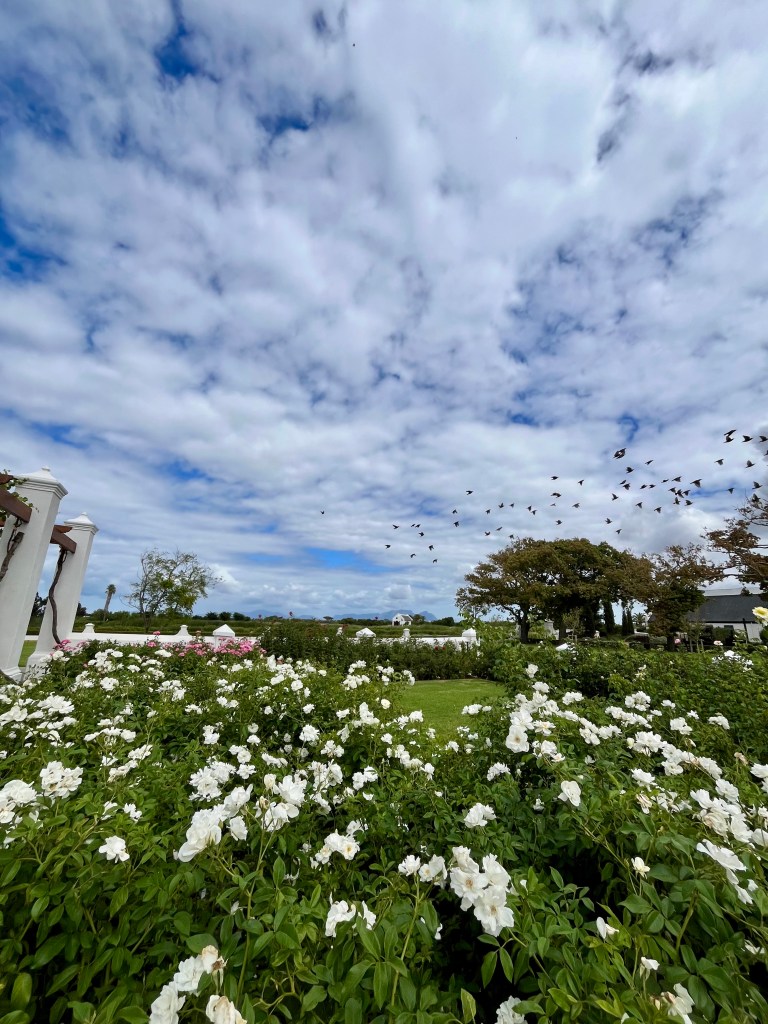
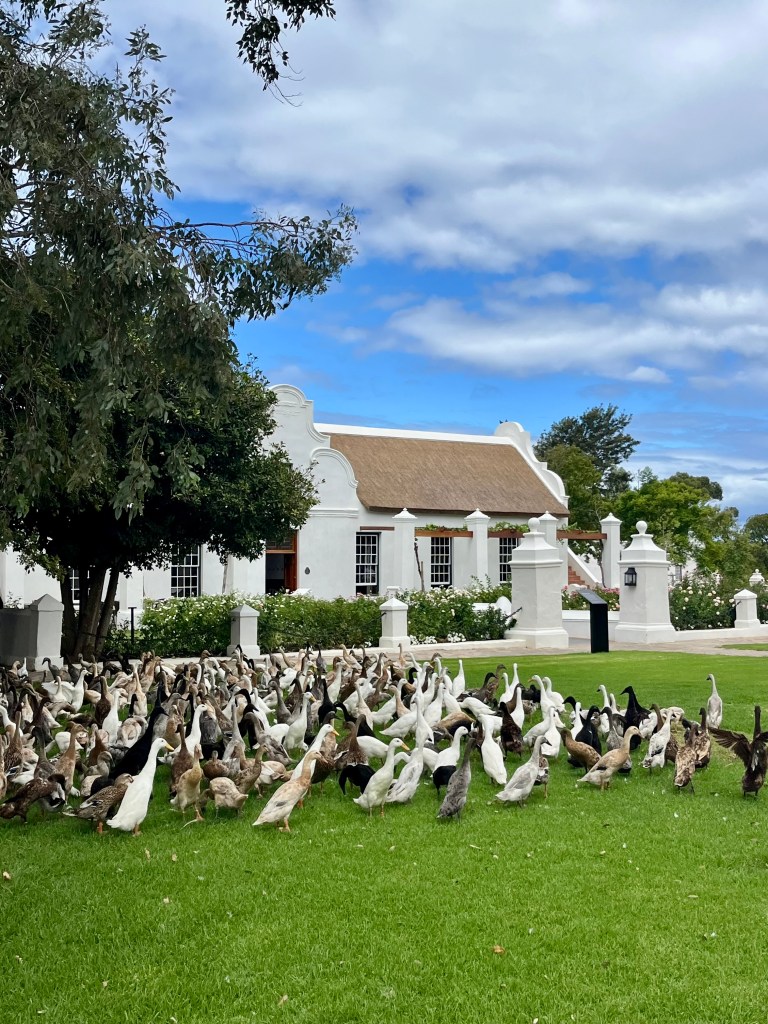
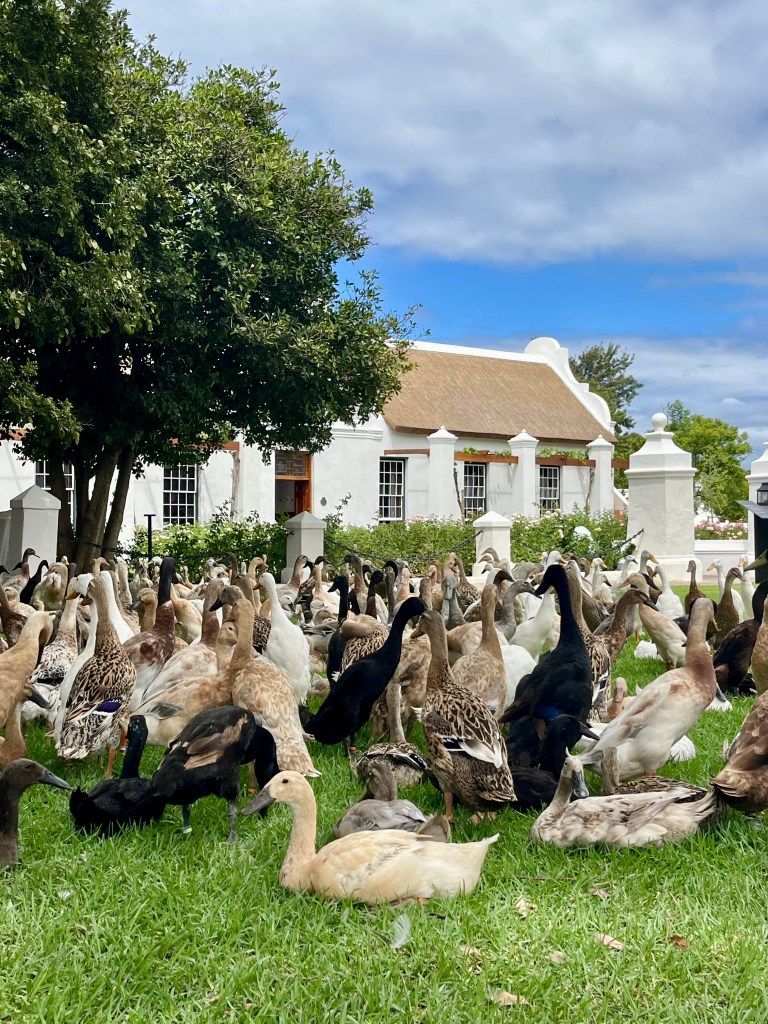
The next few days have been full of visiting different friends and seeing different parts of Cape Town. Yesterday before heading to our next Airbnb in Muizenberg, Liza wanted to show me the ‘running of the ducks’. One of the vineyards in the Stellenbosch area (Vergenoegd Low Wine Estate) uses Indian Runner Ducks instead of pesticides. At 9am and 12pm every day they let 380 ducks into the vineyard so that they can eat all the pests and leave their manure to enrich the soil. They look quite different from other ducks I’ve seen as they are quite tall and walk very upright. I sure got a kick out of seeing them run with such purpose!
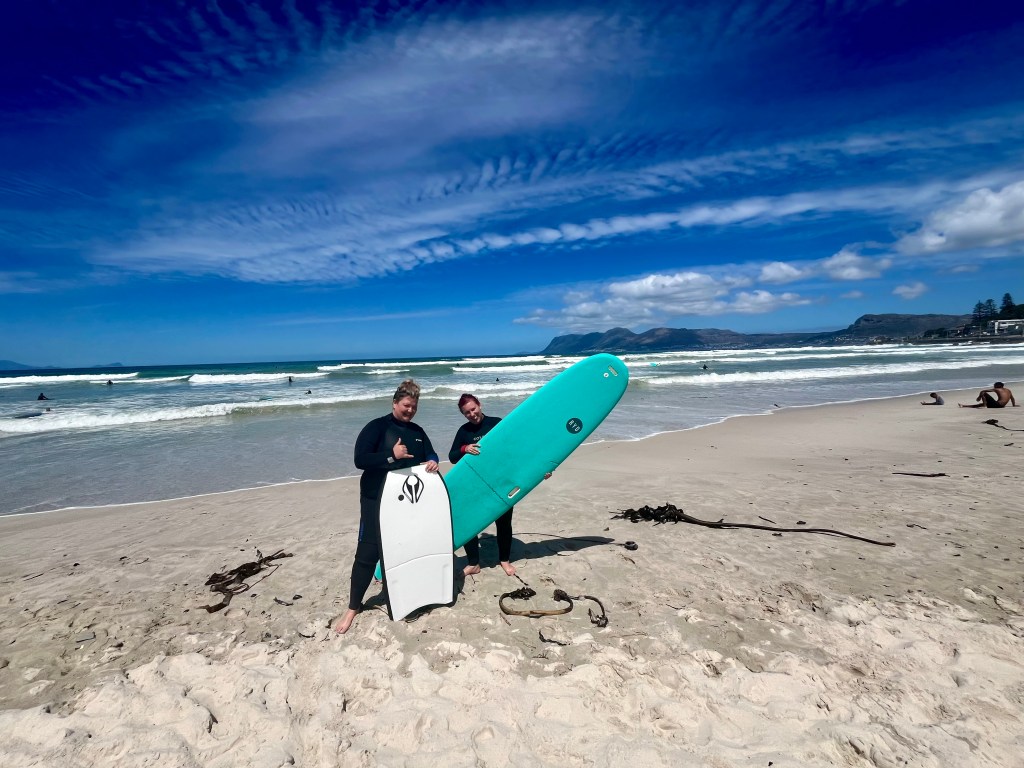
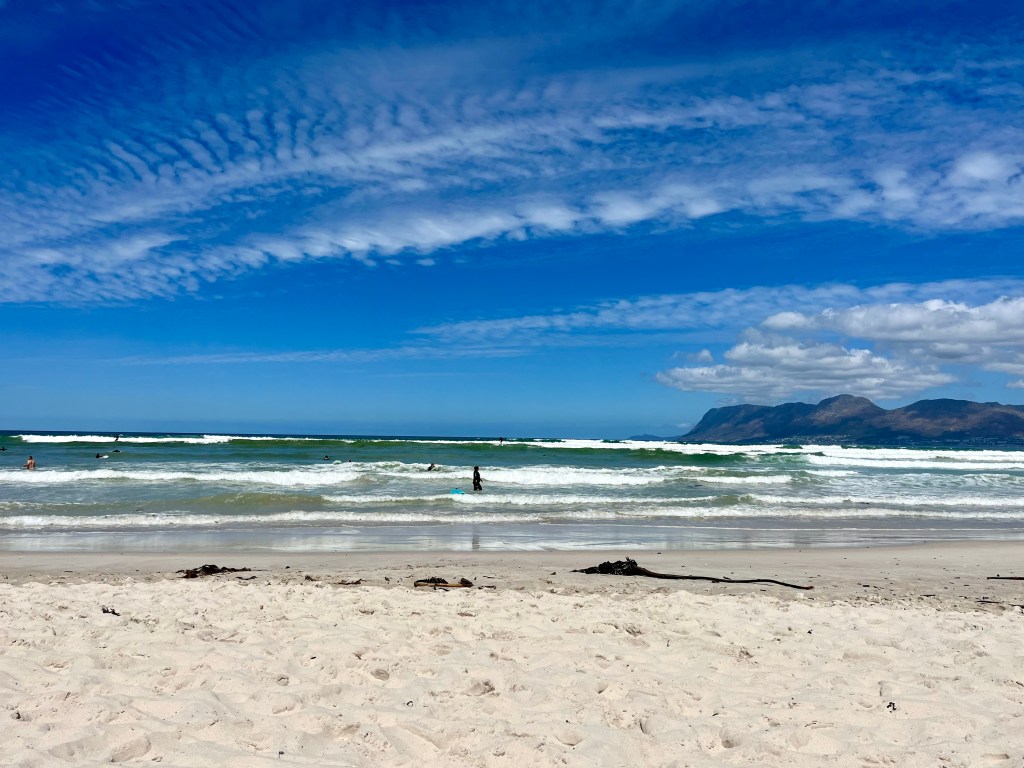
We’ve spent two nights in Muizenburg which is definitely known to be a surfers paradise. Personally I think that the locals are nuts because this area is also known for Great White Sharks. Not only is the water cold as F%*# (so much so that everyone wears wet suits) but everyone in their black wetsuits closely resembles seals! That’s not my idea of enjoying the ocean, so I sat happily on the beach praying that Liza wasn’t going to be a snack for Jaws. I actually felt fairly calm watching her frolic away because there were many others in the ocean that were far deeper. The Great White population have actually been steadily decreasing in the last few years because Killer Whales have moved into the area. Seeing a Killer Whale was almost non existent in the past but clearly global warming is showing itself in situations like this too.